
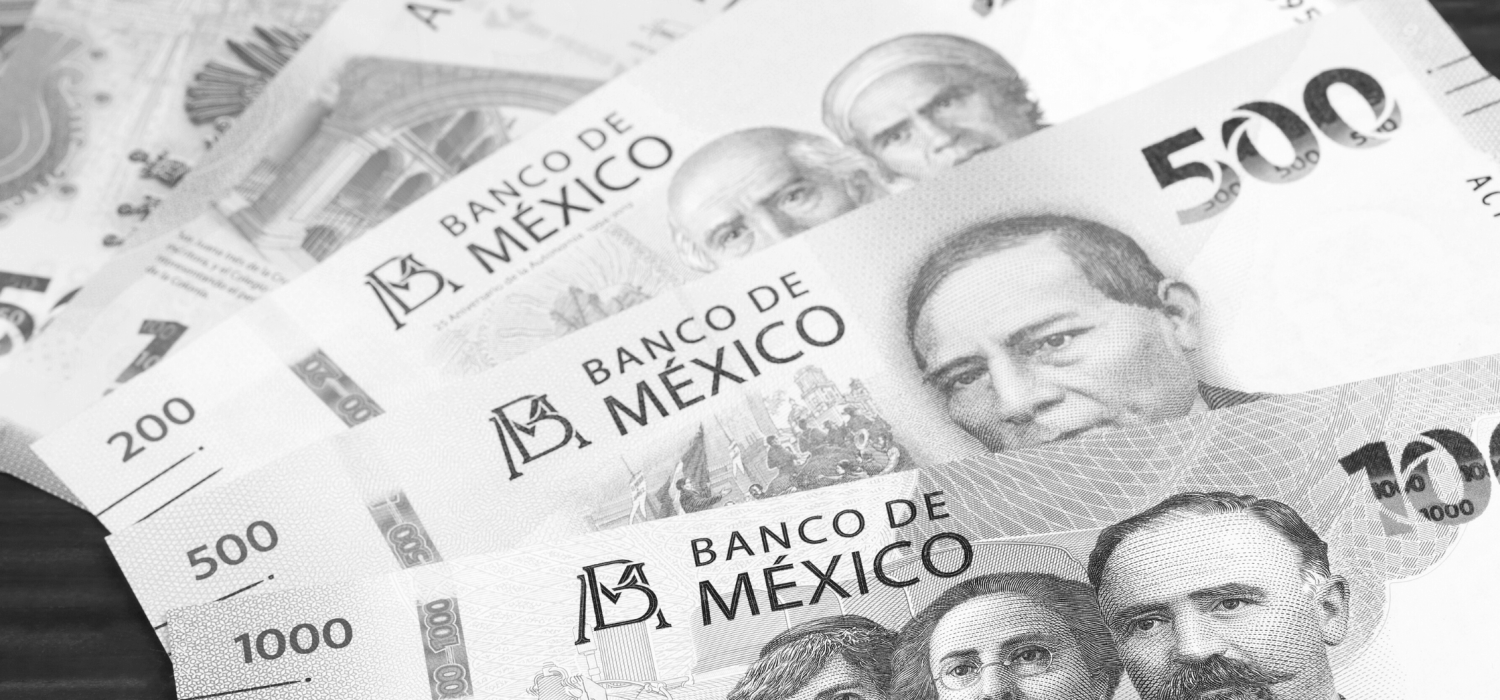
Economic ties between USD and MXN
The trade relationship between the United States and Mexico is one of the most significant in the world, with annual exchanges exceeding $700 billion. This USD/MXN economic activity is driven by key sectors:
- Integrated manufacturing: Industries like automotive and aerospace stand out, with supply chains crossing the border multiple times before final assembly.
- Binational tourism: Millions of visitors from both countries generate substantial revenue for the hospitality and transportation sectors.
- Agriculture and food: Mexico exports fresh produce like avocados, tomatoes, and beer, while importing agricultural machinery and grains.
This trade underscores the importance of the USD/MXN pair in global financial and commercial markets.
Factors influencing USD/MXN dynamics
The interaction between these currencies is shaped by macroeconomic and political variables:
- International remittances: In 2024, remittances to Mexico reached record highs, boosting demand for pesos.
- Interest rates: Divergent monetary policies between the Federal Reserve and the Bank of Mexico have driven investment flows.
- Trade and migration policies: Changes in the USMCA and migration strategies directly affect trade and exchange rate stability.
Financial strategies to manage currency risks
Businesses and traders use various tools to mitigate risks associated with USD/MXN:
- Currency futures: Allow locking in exchange rates for future transactions, ensuring stability in export or import costs.
- Financial options: Provide flexibility to capitalize on favorable market movements.
- Currency swaps: Used to balance cash flows and manage debt denominated in USD or MXN.
Current trends and projections for USD/MXN
In 2025, several trends are shaping the relationship between the US dollar and the Mexican peso:
- Financial digitalization: The potential introduction of central bank digital currencies could transform cross-border transactions, reducing costs and improving efficiency.
- Renewable energy investments: Both the US and Mexico are increasing their focus on clean energy, which will impact industries like manufacturing and mining.
- Adaptation to global changes: Factors such as global inflation and regional political stability will continue to influence demand for USD and MXN.
The role of remittances in Mexico’s economy
Remittances remain a critical source of income for millions of families in Mexico. This steady flow of dollars into the country not only strengthens the peso but also boosts domestic consumption, particularly in sectors like real estate, food, and education.
Strengthening financial ties
The USD/MXN is far more than an exchange rate; it reflects a complex economic relationship that evolves with global demands and local policies. Over time, both businesses and governments will need more adaptive strategies to remain competitive in this ever-changing market.

